Bitcoin
BTC · Bitcoin network
bc1qwelwgls696z3gjgx2x9tj2hj7kdy5t0k887wed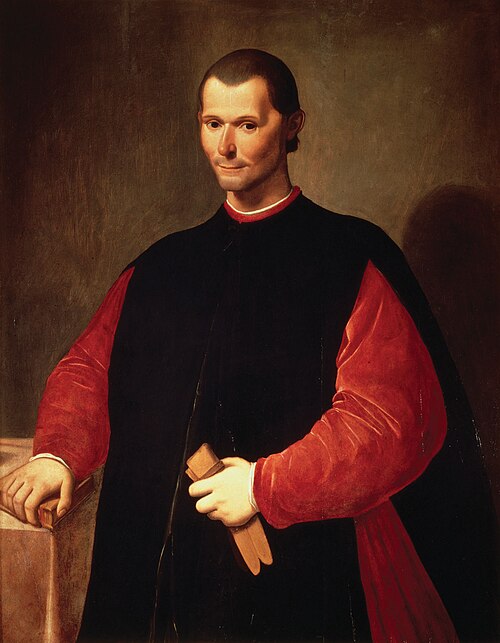
Wrote The Prince, a cold-eyed guide to winning and keeping power, and the Discourses, which praise republics. His name became shorthand for ruthless politics, though he also defended civic liberty.
Niccolò Machiavelli sits in the right-authoritarian part of the Caucus economy and liberty compass: slightly free market and leaning authoritarian. The clearest positions are strongly strength-first on war and peace, strongly interventionist on interventionism and strongly nationalist on nation. The profile is close to the middle on environment and institutions.
Each scale runs from one pole to the other, and the dot shows the overall tendency of this person's record and public life. These are simplified estimates and open to debate.
 Simón Bolívar Liberator of Venezuela, Colombia, Ecuador, Peru and Bolivia99%
 Nicolas Sarkozy President of France, 2007 to 201298%
 Richard Nixon US President, 1969 to 197498%
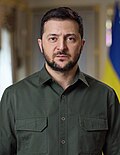 Volodymyr Zelensky President of Ukraine, 2019 to present97%
 Ariel Sharon Prime Minister of Israel, 2001 to 200697%
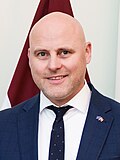 Andris Kulbergs Prime Minister of Latvia, 2026 to present97%
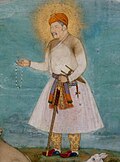 Akbar Mughal Emperor, 1556 to 160596%
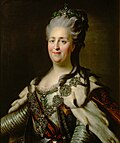 Catherine the Great Empress of Russia, 1762 to 179696%
These links open book searches on Amazon. If you buy through them, Caucus earns a small commission at no extra cost to you. They have no influence on where anyone is placed on the map.
As an Amazon Associate I earn from qualifying purchases.
Percentages show how close two profiles are across all ten dimensions. Including a person here is for study and comparison, not approval. Portrait: Santi di Tito, Public domain, via Wikimedia Commons; see all photo credits.
Caucus is free, has no ads and collects nothing about you. If it helped you learn something, you can chip in with crypto.
Our goal is simple: to help people understand politics, not just react to it. Democracies work better when citizens can tell a policy from a slogan, know where leaders actually stand and are able to meet ideas they disagree with. Political literacy is what protects us from manipulation and polarization, and it is the first step to taking part in public life. Caucus turns ten dimensions, hundreds of leaders and thinkers and every country's political history into something you can explore in minutes, and keeps it free and private for everyone. Your donation keeps it independent, ad-free and growing.
BTC · Bitcoin network
bc1qwelwgls696z3gjgx2x9tj2hj7kdy5t0k887wedETH · Ethereum network
0x743b3c61b176aacB4ec2cc409992e37675e87D1CSOL · Solana network
FbrjwgdExzcssqLJmytYaNYMpQ7MgmMzmbWk35rLyd3hUSDT · USDC · BNB · POL · Ethereum, Base, Arbitrum, Polygon or BNB Chain
0x743b3c61b176aacB4ec2cc409992e37675e87D1CCheck that the network matches before sending: funds sent on the wrong network cannot be recovered.